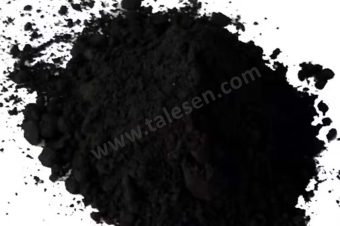
Strontium ferrite powder is a widely used kind of magnetic material that plays a critical role in the production of permanent magnets for industrial and consumer applications. Known for its strong magnetic properties, corrosion resistance, and cost efficiency, this material is one of the most important raw materials used in the global magnet manufacturing industry.
As industries such as electronics, automotive manufacturing, and renewable energy continue to grow, the demand for stable and affordable magnetic materials has increased significantly. Strontium ferrite powder meets these requirements by providing reliable magnetic performance without the high cost associated with rare-earth materials.
In this blog, we will explore what strontium ferrite powder is, its chemical composition, properties, manufacturing process, and major applications. This article will help manufacturers, engineers, and industrial buyers understand why this material is essential in modern magnetic technology.
What Is Strontium Ferrite Powder?
Strontium ferrite powder is a fine magnetic ceramic material composed mainly of iron oxide and strontium compounds. Its chemical formula is SrFe₁₂O₁₉, commonly referred to as strontium hexaferrite.
This compound belongs to the ferrite family, which includes a group of iron oxide–based magnetic materials known for their high electrical resistance and strong magnetic characteristics. Ferrites are classified into two main types: soft ferrites and hard ferrites. Strontium ferrite belongs to the hard ferrite category, meaning it is capable of maintaining permanent magnetization.
Because of this property, strontium ferrite powder is primarily used as the main raw material for manufacturing permanent ferrite magnets, also known as ceramic magnets. These magnets are commonly used in a wide variety of everyday products, including electric motors, speakers, sensors, and household appliances.
Strontium ferrite magnets are particularly popular because they combine stable magnetic performance with low production costs, making them ideal for large-scale industrial manufacturing.
Chemical Composition of Strontium Ferrite Powder
The chemical structure of strontium ferrite powder is based on strontium hexaferrite (SrFe₁₂O₁₉), which forms a hexagonal crystal structure responsible for its strong magnetic behavior.
The primary raw materials used to produce strontium ferrite powder include:
- Strontium carbonate (SrCO₃)
- Iron oxide (Fe₂O₃)
During the manufacturing process, these materials are mixed and heated at high temperatures to trigger a solid-state chemical reaction. This reaction forms the stable hexaferrite structure that gives the material its magnetic properties.
The hexagonal crystal structure allows magnetic domains within the material to align effectively, resulting in high coercivity and strong permanent magnetization.
In some cases, manufacturers may add trace elements or additives to improve certain characteristics such as particle size distribution, magnetic strength, or sintering performance.
Key Properties of Strontium Ferrite Powder
Strontium ferrite powder offers several physical and magnetic properties that make it highly suitable for industrial applications. These properties are the main reasons why it is widely used in the magnet manufacturing industry.
High Coercivity
One of the most important characteristics of strontium ferrite powder is its high coercivity, which means the material can resist demagnetization. This property allows magnets made from strontium ferrite to maintain their magnetic strength even when exposed to external magnetic fields.
High coercivity is especially important for applications such as electric motors and magnetic separators where strong and stable magnetization is required.
Excellent Chemical Stability
Strontium ferrite is a ceramic material, which means it has excellent chemical and environmental stability. Unlike metallic magnets, ferrite magnets do not easily rust or corrode when exposed to moisture or harsh environmental conditions.
This corrosion resistance makes strontium ferrite magnets suitable for outdoor equipment and industrial environments.
High Electrical Resistivity
Ferrite materials have high electrical resistance, which helps reduce energy losses caused by eddy currents. This property makes strontium ferrite particularly useful in electrical and electronic applications where efficiency is important.
Good Temperature Stability
Strontium ferrite magnets maintain relatively stable magnetic performance across a wide range of temperatures. Although their magnetic strength may decrease slightly at very high temperatures, they generally perform reliably in most industrial conditions.
Cost Efficiency
Compared with rare-earth magnetic materials such as neodymium iron boron (NdFeB) or samarium cobalt, strontium ferrite powder is much more economical. The raw materials used to produce ferrites are abundant and inexpensive, allowing manufacturers to produce magnets at a lower cost.
For applications that require large quantities of magnets, this cost advantage becomes extremely important.
Manufacturing Process of Strontium Ferrite Powder
The production of strontium ferrite powder involves several key steps that ensure the correct chemical composition and magnetic performance.
Raw Material Preparation
The process begins with carefully measuring and mixing strontium carbonate and iron oxide in the appropriate ratio. Accurate mixing is critical because even small variations in composition can affect the magnetic properties of the final product.
The raw materials are often ground together to achieve a uniform mixture before the next stage.
Calcination
The mixed powder is then heated in a high-temperature furnace at temperatures typically ranging from 1000°C to 1300°C. This process is known as calcination.
During calcination, a solid-state chemical reaction occurs between the raw materials, forming strontium hexaferrite crystals.
This step is essential because it determines the magnetic structure of the material.
Crushing and Grinding
After calcination, the resulting material is usually in the form of large solid clumps. These clumps must be crushed and ground into fine particles.
Industrial equipment such as ball mills, jet mills, or hammer mills is used to produce powder with the desired particle size.
Particle size is extremely important because it affects the sintering process and the magnetic alignment of the final magnet.
Powder Classification
The ground powder is then classified or screened to achieve a uniform particle size distribution. Consistent particle size ensures better magnetic performance and improves the manufacturing process when producing magnets.
Surface Treatment (Optional)
Some manufacturers apply surface treatments or additives to the powder to improve magnetic orientation, pressing behavior, or sintering performance.
These modifications can enhance the overall quality of ferrite magnets produced from the powder.
Applications of Strontium Ferrite Powder
Strontium ferrite powder is widely used across many industries because of its stable magnetic properties and cost-effectiveness.
Permanent Ferrite Magnets
The most common application of strontium ferrite powder is the production of sintered ferrite magnets. These magnets are used in many products, including:
- Electric motors
- Household appliances
- Magnetic separators
- Automotive components
- Pumps and generators
Ferrite magnets are especially popular in motors used in fans, washing machines, and electric vehicles.
Loudspeakers and Audio Equipment
Many speaker systems rely on ferrite magnets made from strontium ferrite powder. These magnets provide consistent magnetic fields that help convert electrical signals into sound waves.
Because ferrite magnets are affordable and durable, they are commonly used in consumer audio devices and professional sound equipment.
Magnetic Sensors
Strontium ferrite magnets are also used in magnetic sensors and measuring devices. These sensors are often found in automotive systems, industrial automation, and consumer electronics.
Magnetic Separation Equipment
Industries such as mining, recycling, and food processing use magnetic separators to remove metal contaminants. Ferrite magnets produced from strontium ferrite powder are commonly used in these systems due to their strong and stable magnetic fields.
Data Storage and Recording Materials
In certain technologies, ferrite materials are used for magnetic recording media, such as magnetic tapes and specialized storage devices.
Strontium Ferrite vs Barium Ferrite
Another widely used ferrite magnetic material is barium ferrite. Both materials have similar chemical structures and manufacturing processes, but there are some differences in performance.
| Property | Strontium Ferrite | Barium Ferrite |
| Magnetic Strength | Higher | Slightly Lower |
| Coercivity | Higher | Moderate |
| Stability | Very Good | Good |
| Applications | Permanent magnets | Recording media |
Today, many manufacturers prefer strontium ferrite because it generally offers better magnetic performance and stability.
Advantages of Strontium Ferrite Powder
There are several reasons why strontium ferrite powder is widely used in the magnet industry:
- Low raw material cost
- Excellent corrosion resistance
- Stable magnetic performance
- High electrical resistivity
- Environmentally friendly composition
- Suitable for large-scale manufacturing
These advantages make strontium ferrite an ideal choice for applications where durable, reliable, and cost-effective magnets are required.
Future Market Demand for Strontium Ferrite Powder
As industries continue to expand, the demand for ferrite magnets is expected to grow steadily. Applications such as electric vehicles, renewable energy systems, consumer electronics, and industrial automation all rely on magnetic materials.
Although rare-earth magnets are becoming more popular in high-performance applications, ferrite magnets made from strontium ferrite powder remain essential for cost-sensitive and large-volume products.
Because of their affordability and reliable performance, strontium ferrite magnets will likely continue to play an important role in global manufacturing.
Conclusion
Strontium ferrite powder is an essential magnetic material used to produce permanent ferrite magnets for a wide range of industrial and consumer applications. Composed mainly of strontium and iron oxide, this ceramic material provides strong magnetism, excellent corrosion resistance, and outstanding cost efficiency.
From electric motors and loudspeakers to magnetic sensors and separation equipment, strontium ferrite powder supports countless technologies used in everyday life. Its combination of stable magnetic performance, affordability, and durability makes it one of the most widely used magnetic materials in the world.
As global industries continue to develop, ferrite powder containing the strontium will remain a key material for manufacturing reliable and efficient magnetic products.
As one professional manufacturer and supplier of the ferrite powder, Shanghai Talesen Magnetic Material Co., Ltd can provide the products with super-quality, price-competitive and timely delivery service. If you have any demand with the products, welcome to contact with us.